Art & Culture
Why Cat Zyon chooses colour over drama
Cat Zyon uses colour to welcome people into serious conversations without turning animal suffering into spectacle.
Cat Zyon deals with a serious subject: how art can encourage more responsible relationships with animals and shared spaces. Its visual language, however, is deliberately bright. Colour is not a way to deny difficult realities. It is the project's way of opening the door.
An invitation before an argument
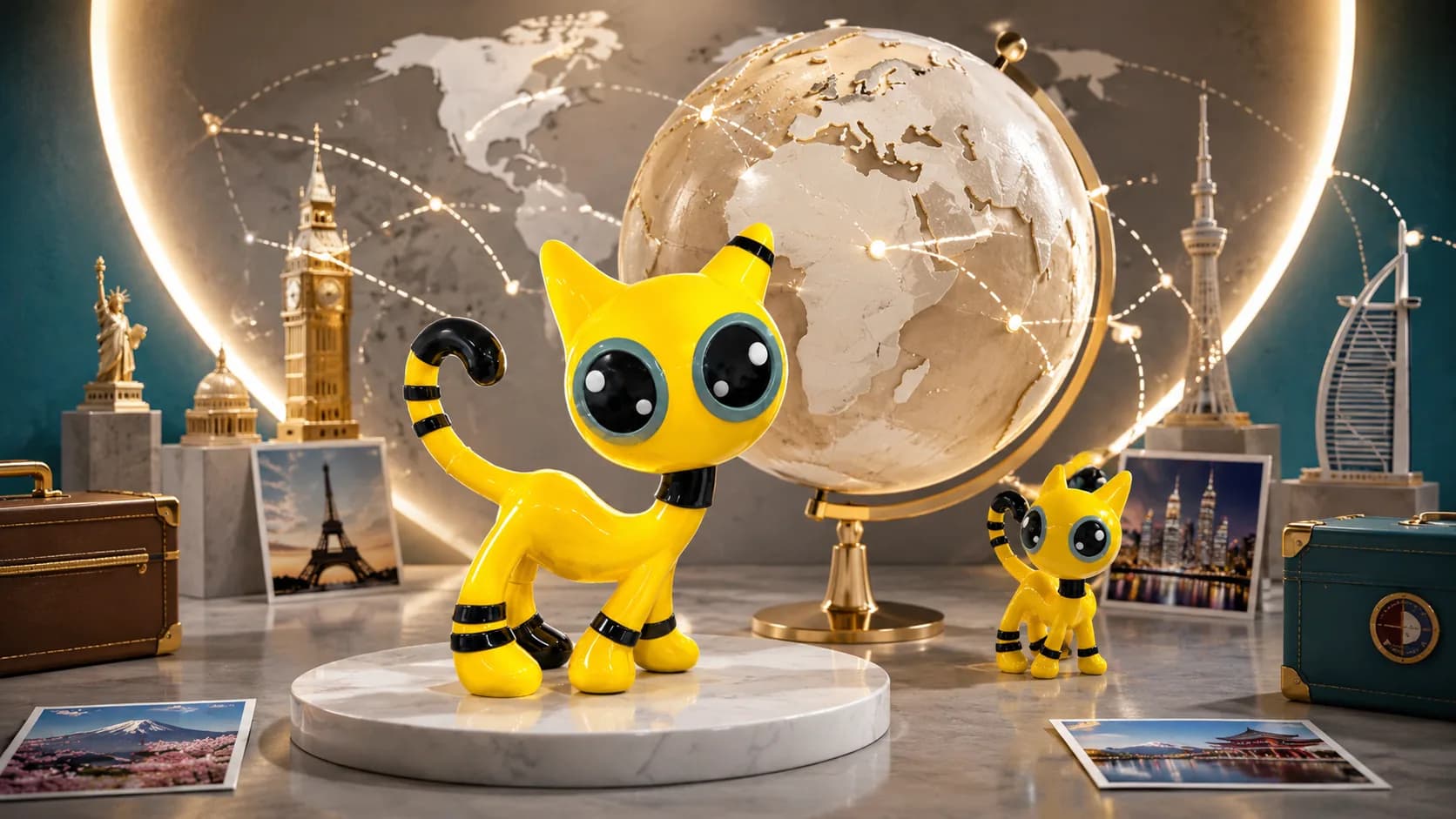
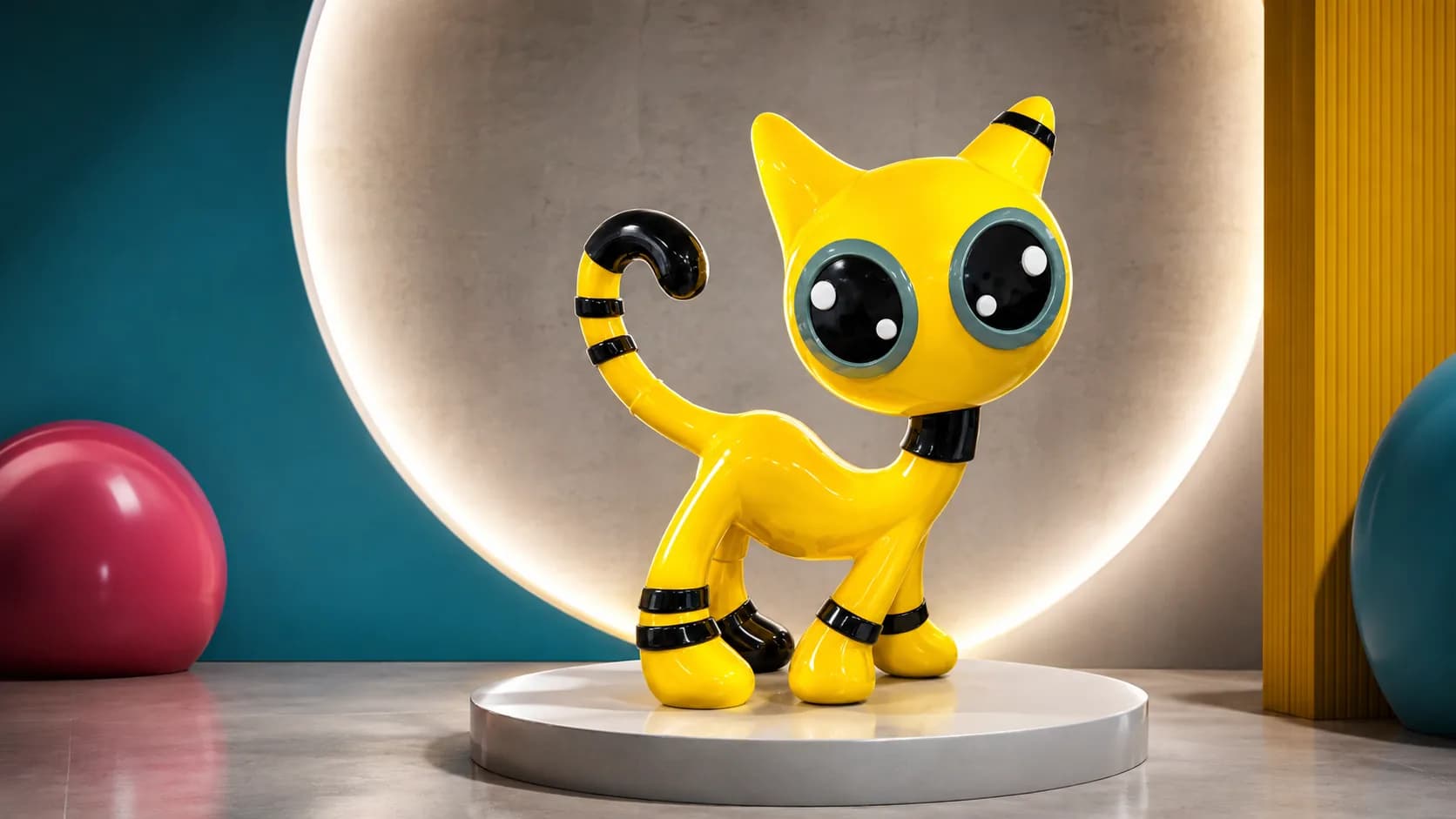
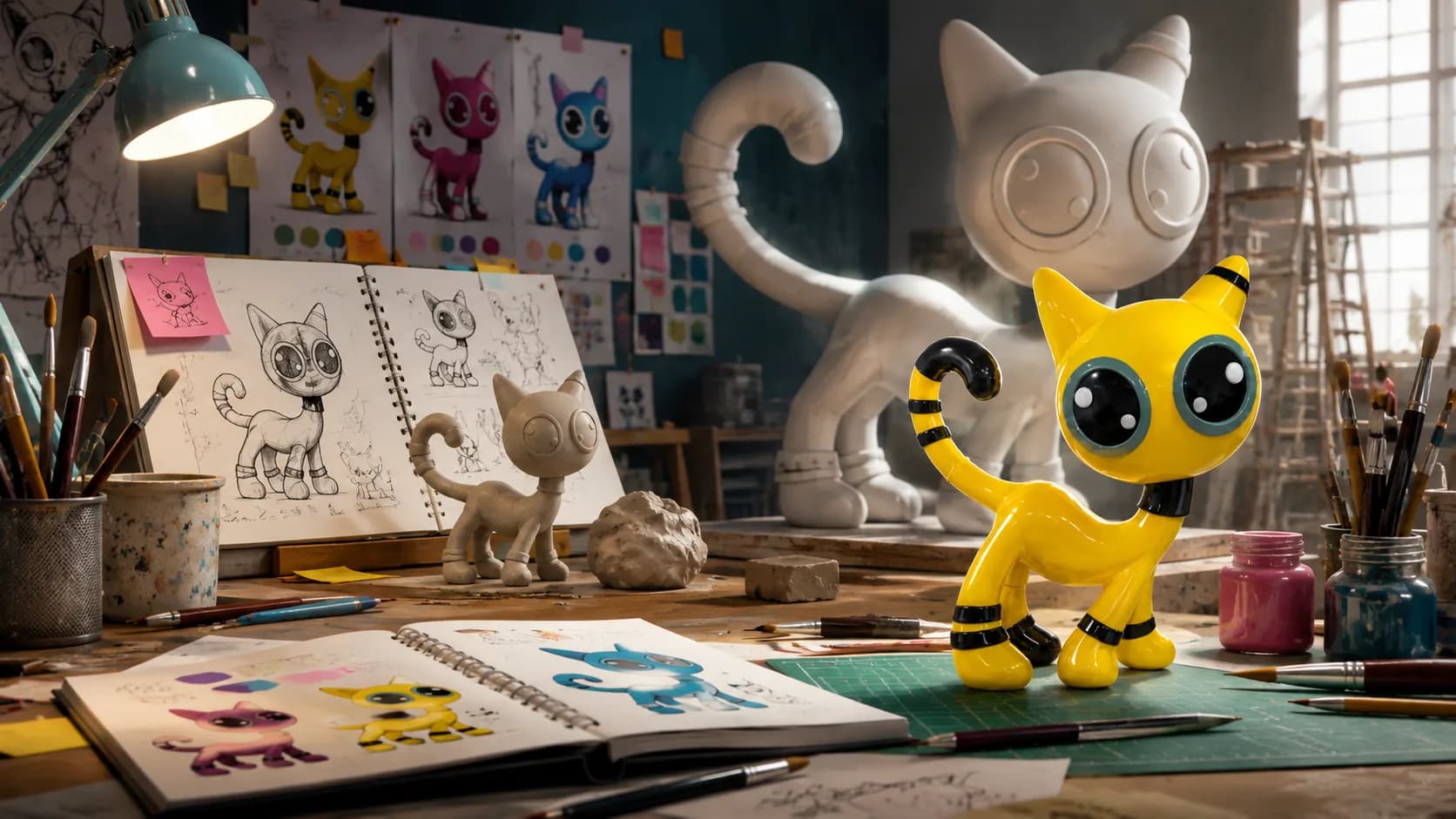
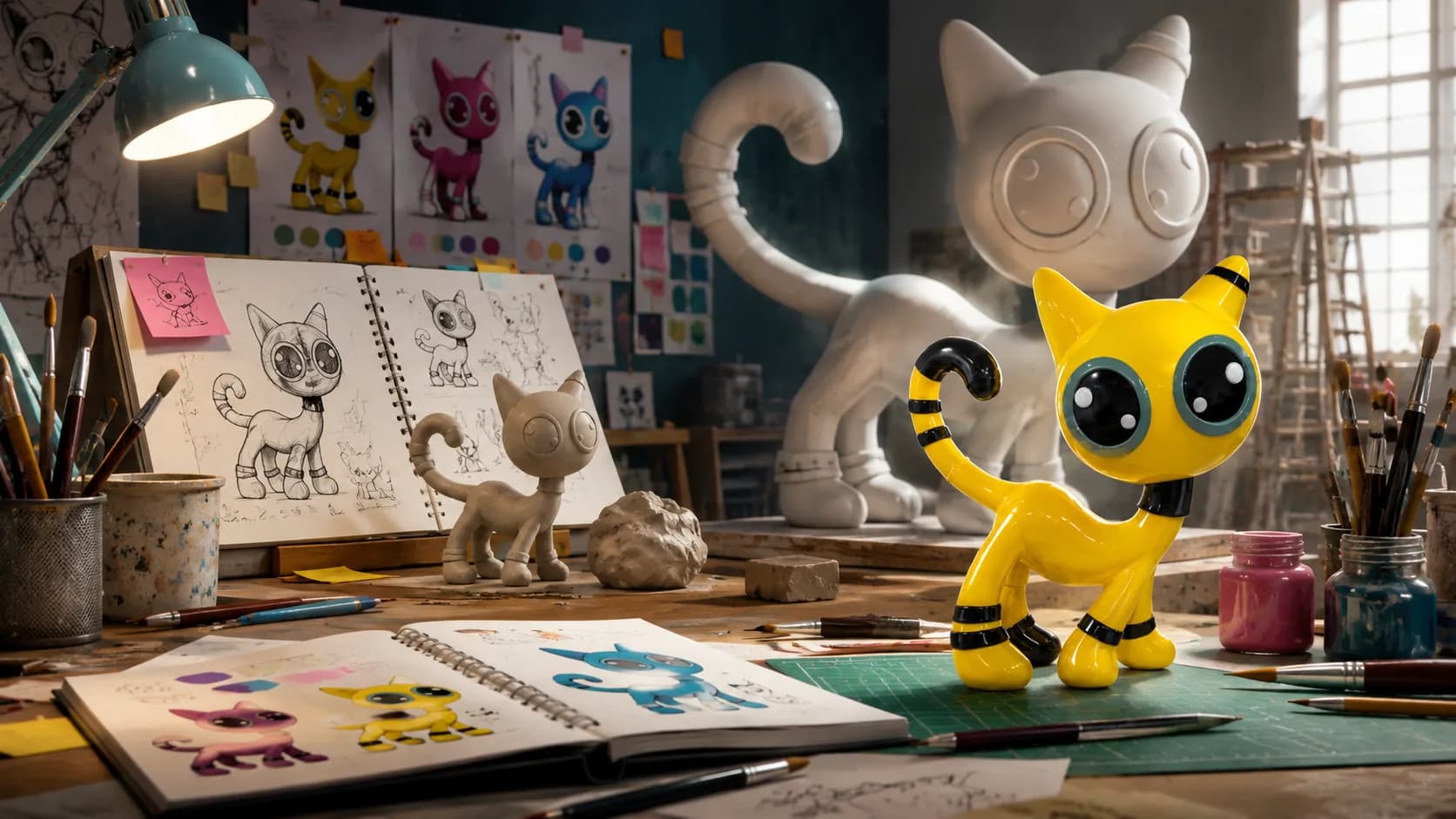
Public art meets people who did not necessarily choose to enter a museum or attend a lecture. A work in a square must first earn attention. Zyon's pinks, yellows, blues and graphic contrasts create recognition at different ages and from different distances.
The project avoids using images of suffering as a shortcut to emotion. Those images can shock, but shock does not automatically produce understanding or sustained care. Zyon starts with curiosity, then connects that curiosity to educational content, local organisations and practical ways to participate.
Colour still carries responsibility
An accessible image can become empty decoration if it is detached from context. For Cat Zyon, the context includes clear authorship, accurate information and transparent distinctions between what has already happened and what is still planned. The character is fictional; the public programme and animal-welfare questions are real.
This approach also respects children without speaking only to children. A colourful sculpture can be playful, while the conversation around it addresses civic responsibility, adoption, local culture and the long-term care an animal needs. The children's area develops this educational dimension through age-appropriate activities.
A public language
Colour helps Zyon work across languages and cities. It makes the work legible in a busy urban environment and gives communities a memorable point of reference. Yet each installation must listen to its location rather than impose a ready-made story.
The result we seek is neither drama nor escapism. It is attention: a moment long enough for someone to ask a better question, learn who works locally and decide whether to take part. Explore the visual development in the collection, or propose a responsible local collaboration through Get involved.